
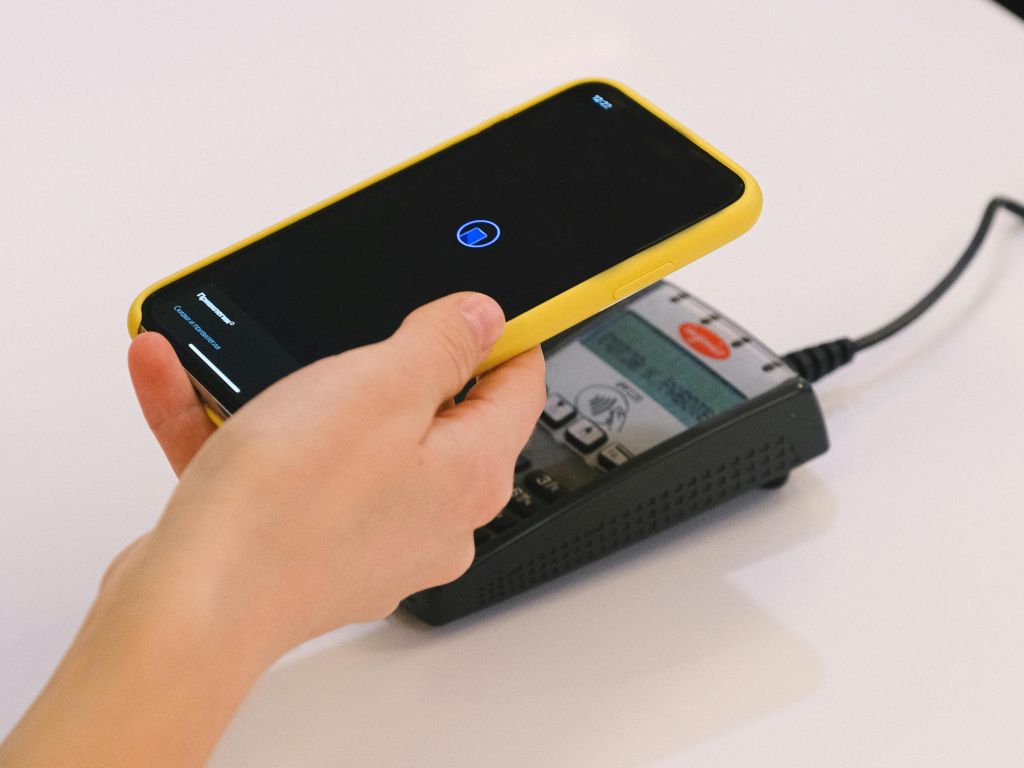
Latin America is experiencing a significant transformation in the way payments are made, with mobile wallets and real-time systems overtaking traditional banking channels. According to the April 2025 “Embedded Finance Tracker,” cash use in the region has declined sharply over the past decade, with in-store cash transactions dropping from 67% in 2014 to 25% in 2024. Digital payments have gained ground, particularly in e-commerce, where their share rose from 14% to 48% over the same period and is projected to reach 66% by 2030. Cities like São Paulo and Buenos Aires now feature QR code payments and tap-to-pay methods at physical stores, illustrating the shift to contactless and mobile-based systems.
Brazil's Pix system has become a leading example of this change, processing 64 billion transactions in 2024 and playing a growing role in online purchases and B2B transfers. Other countries, including Argentina, Colombia, and Mexico, have seen mobile wallets emerge as primary payment methods. Platforms like MercadoPago now offer additional services such as credit and merchant tools, increasing user engagement. Traditional banks face mounting competition as real-time, mobile-first payments gain adoption. As infrastructure scales, the region continues to move away from legacy systems, reshaping how financial transactions are conducted.