
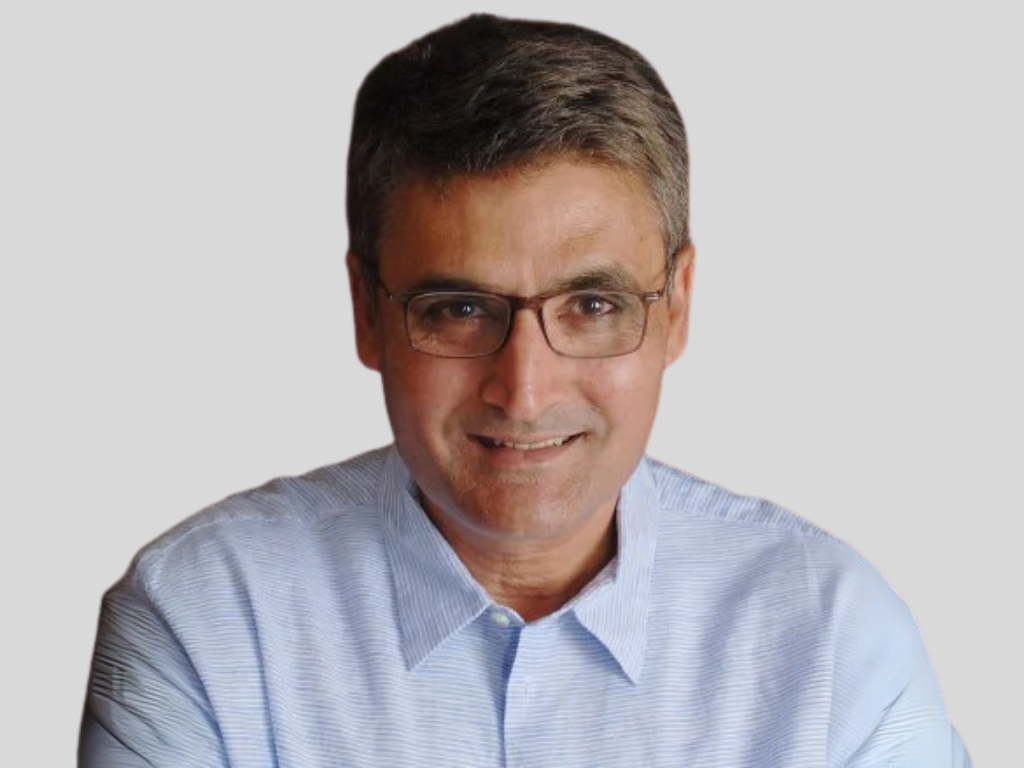
Naaz Scheik has run SoftPak Financial Systems for more than 30 years. He launched the company in 1994 with a clear goal: to build quantitative tools that could stand up to the complexity of real-world portfolio management. Today, SoftPak powers over $700 billion in annual trades, supports five of the world’s top 25 investment banks, and maintains a 90% client renewal rate. Most of its competitors have rebranded, pivoted, or sold. Scheik stayed the course.
He came to fintech from the inside. As a quantitative analyst at Wellington Management, Scheik built bond yield curves and equity ranking models—work that exposed just how limited many tools were for portfolio managers. That insight shaped SoftPak’s earliest focus: a rule-based rebalancer built for speed, clarity, and control. Over time, the company expanded into a full-service development partner, delivering projects across trading, risk, attribution, and infrastructure for a global client base.
Scheik built SoftPak to last—and staffed it like he meant it. The company’s core developers and engineers have stayed on for over a decade, a rarity in an industry defined by churn. Its offshore teams in Pakistan and the UAE aren’t outsourced labor—they’re integral to the delivery model, certified to international standards and trusted with high-stakes deployments. SoftPak builds teams that stay close to the code, the client, and the clock.
Scheik didn’t hire for business development until 2018. Instead, he let the product speak for itself, adding partners one conversation at a time. Today, he’s investing more directly in scale—backing new tools like ScaleX, forming partnerships with firms like Axioma and Quantingo, and ramping up R&D in AI and genetic algorithms. He wants to make the software sharper, not louder.
Scheik is still focused on what comes next. He’s actively guiding new product development, tracking emerging technologies like quantum computing, and thinking carefully about long-term leadership. He’s identified internal successors and continues to shape how the company evolves, both technically and operationally. After three decades, his work isn’t winding down—it’s compounding.